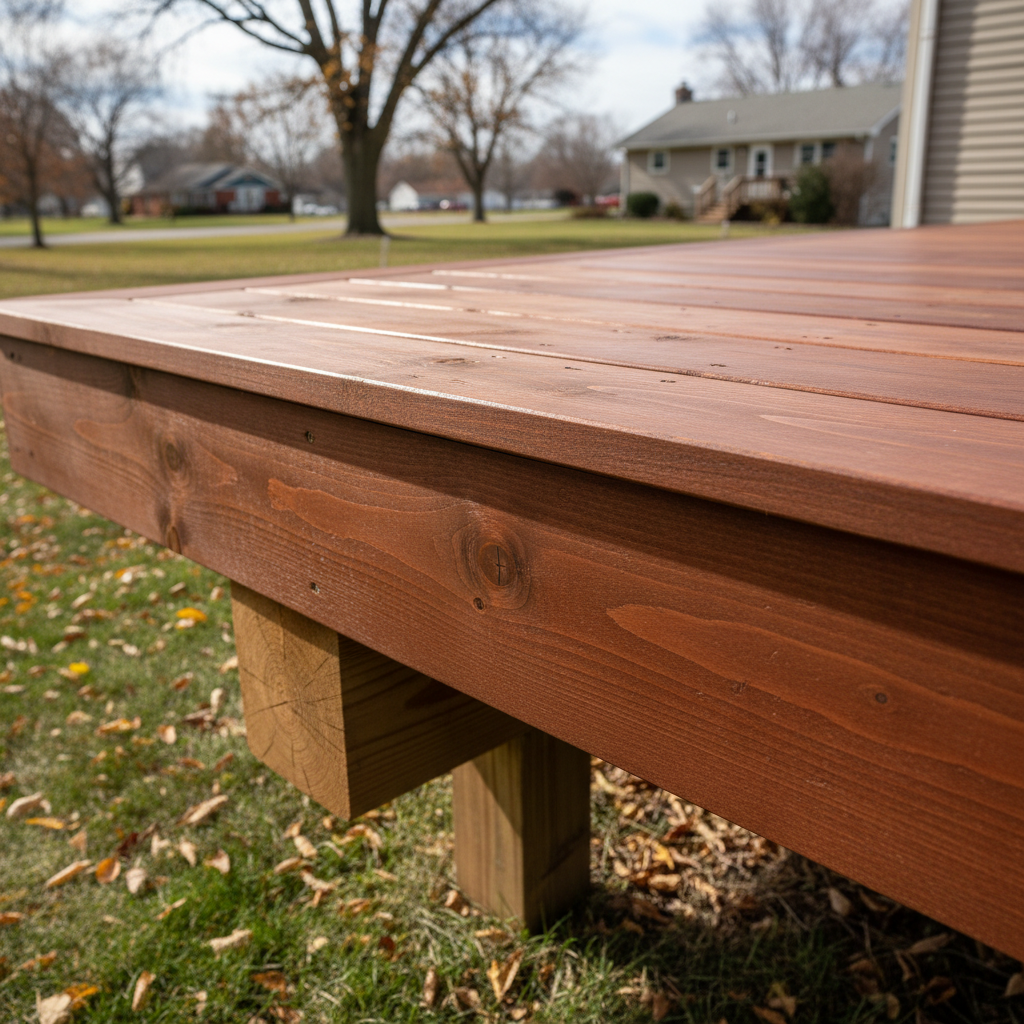
Want to build a new outdoor space for your backyard? Taking on a Deck Construction project is a major upgrade for your home, but it is not something you should jump into blindly. Whether you are looking at a simple ground-level platform or a multi-level entertainer, understanding how the process works from start to finish will save you time and money.
Before You Build: Planning and Permits
The work starts long before anyone swings a hammer. First, you have to deal with local rules. In Bellevue, NE and across Sarpy County, most raised Decks require a building permit and strict adherence to frost depth and set-back guidelines. Soil conditions around here can be heavy clay, meaning your concrete footings need to go deep enough to prevent winter heaving. Skipping this step is a problem when code enforcement catches up or your posts start shifting.
This is also the phase where you decide what you can realistically handle yourself. Homeowners can usually tackle site layout, material sourcing, and minor design choices without professional help. However, if you are dealing with second-story heights, complex stair configurations, or ledger board attachments to your home's rim joist, you should hand the reins over to a licensed contractor like All Star Decks to ensure structural safety.
During Construction: Framing and Finishing
Once permits are cleared and materials are dropped off in your driveway, Deck Construction begins. The skeleton of the Deck is everything. Ledger boards, joists, beams, and posts have to be bolted and flashed correctly. If you are building it yourself, double-check every measurement and use structural connectors. A sloppy framing job will not hold up against heavy winds or seasonal moisture swings.
Laying down the Decking boards and building railing systems is where do-it-yourselfers often spend most of their time. It is tedious and detail-oriented work. If you want hidden fasteners and perfectly spaced boards without losing your weekends, hiring a crew makes total sense. All Star Decks sees plenty of partial projects where people got halfway through the framing, realized it was taking over their lives, and had to call for backup.
After the Project: Maintenance and Longevity
You survived the build, but the job is not quite done. What you do right after Deck Construction sets the tone for the Deck lifespan. If you went with natural wood, you will need to seal or stain it once the lumber has dried out enough to take finish. Composite materials require less initial treatment, but they still need seasonal cleaning to keep Bellevue, NE blowing dust and tree debris from staining the surface.
Walk your Deck every spring and fall. Check for loose ledger bolts, pop a level on the railings, and look for any signs of wood rot or fastener backup. Catching small issues early means you will not be tearing down the whole structure prematurely.